But the story isn’t just about taste, it’s about transformation. Coconut products are traditionally sold as fresh fruit or freshly grinded to milk or cream, in wet markets. Or packed in tin cans. While cans offered durability, they also brought challenges like heavy weight, higher costs, and an environmental footprint that no longer fits with modern sustainability goals.
Enter lightweight aseptic packaging
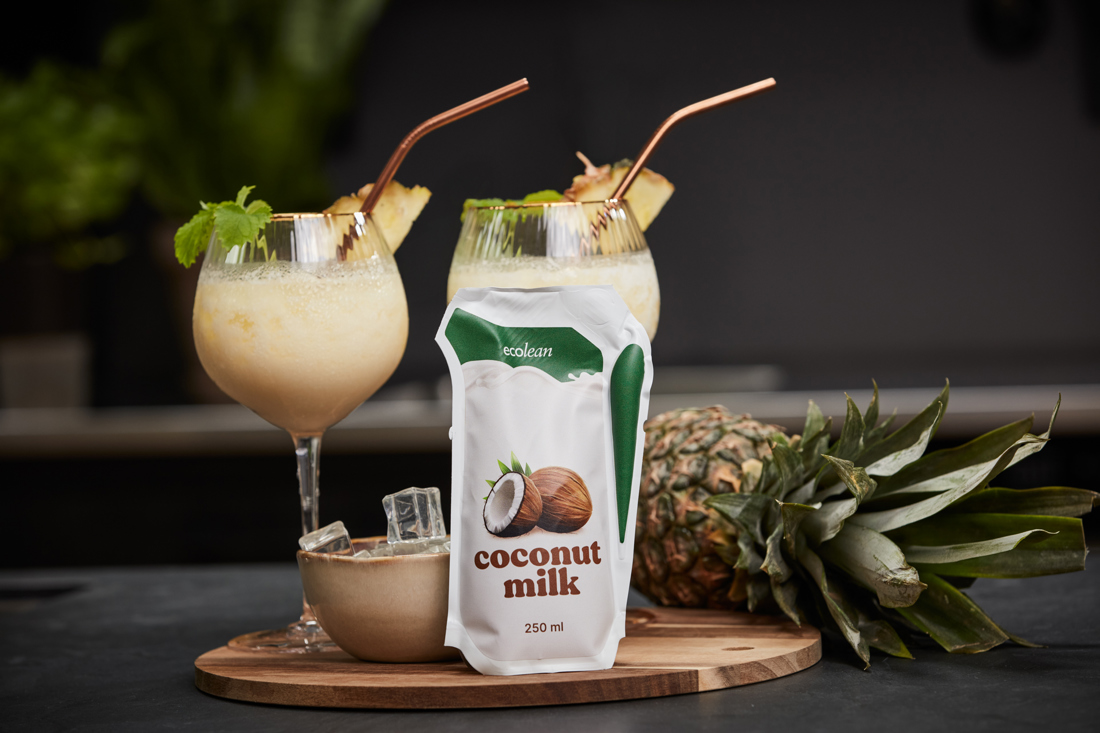
Producers are embracing flexible, lightweight solutions that preserve freshness, reduce material use, and give brands a confident presence on the shelf. It is a shift that aligns perfectly with what today’s consumers want: convenience, authenticity, and sustainability in one package.
The benefits are clear, a large branding surface, a fresh taste profile, and a strong value story. In fact, sensory tests performed by a coconut milk supplier confirm that coconut milk in lightweight aseptic packs retains its authentic flavour better than in cans or retort pouches. A critical advantage in a category were taste matters most.
And the market outlook? According to industry forecasts*, the packaged coconut milk category is projected to grow from $1.29 billion in 2025 to $2.17 billion by 2034 (CAGR ~6%), driven by plant-based diets, sustainability concerns, and the global enthusiasm for Asian flavours.
“Coconut cream is an exciting next step. It can become a premium extension for forward-thinking brands."
The opportunity doesn’t stop at coconut milk. Coconut cream, with its richer texture, is emerging as the next big thing for premium product lines. As Sheryl Dankin, Country Manager for Ecolean in the Philippines, puts it:
“Coconut cream is an exciting next step. It can become a premium extension for forward-thinking brands.”
Coconut milk vs. coconut cream—what’s the difference?
Per the Codex standard, coconut milk contains ≥10% fat, while coconut cream contains ≥20% fat. That richer fat profile is why cream performs so well in premium sauces and dessert.
With Asian cooking trends showing no sign of slowing down, the shift from cans to flexible aseptic packaging marks a new era in responsible food production, one where taste, sustainability, and value go hand in hand.
* Global Growth Insights: Market reports, Packaged coconut milk market


