This year’s theme and focus areas
The theme for the 2025 World Energy Week is “Energising connections, powering a healthy planet”, emphasizing the importance of linking actors and initiatives to create real change. The focus areas include:
- Energy efficiency and innovation – smart choices across the entire value chain, from production to consumption.
- Renewable energy and circular solutions – increased use of renewable resources and recycling.
- Social sustainability – fairness, inclusion, and workplace safety.
Ahead of World Energy Week 2025, we spoke with Maria Ahlström, Chief Sustainability Officer and Pekka Turunen, Director of Film & Packages Production at Ecolean AB, about how lightweight packaging, energy-efficient production, and smart logistics can accelerate the transition.
Q: This year’s theme is “Energising connections, powering a healthy planet.” How do you interpret that from a packaging and food perspective?
Maria: “For us, it means connecting concrete actions across the entire value chain – from energy in production, through logistics and material choices, to how the consumer actually empties the package. When we work data driven and link these elements, we reduce both energy use and climate impact – for real.”
Q: What have been the most important steps in reducing Ecolean’s own energy consumption?
Pekka: “For several years, we’ve been driving projects for energy efficiency in our operation. In 2024, we reduced our energy use by about 9% thanks to systematic energy mapping, LED conversions, and automated start/stop routines. Combined with biogas for process heat in Helsingborg, this results in both lower emissions and lower energy intensity in our packaging.
Maria: We also purchase 100% renewable electricity for our production facilities.”
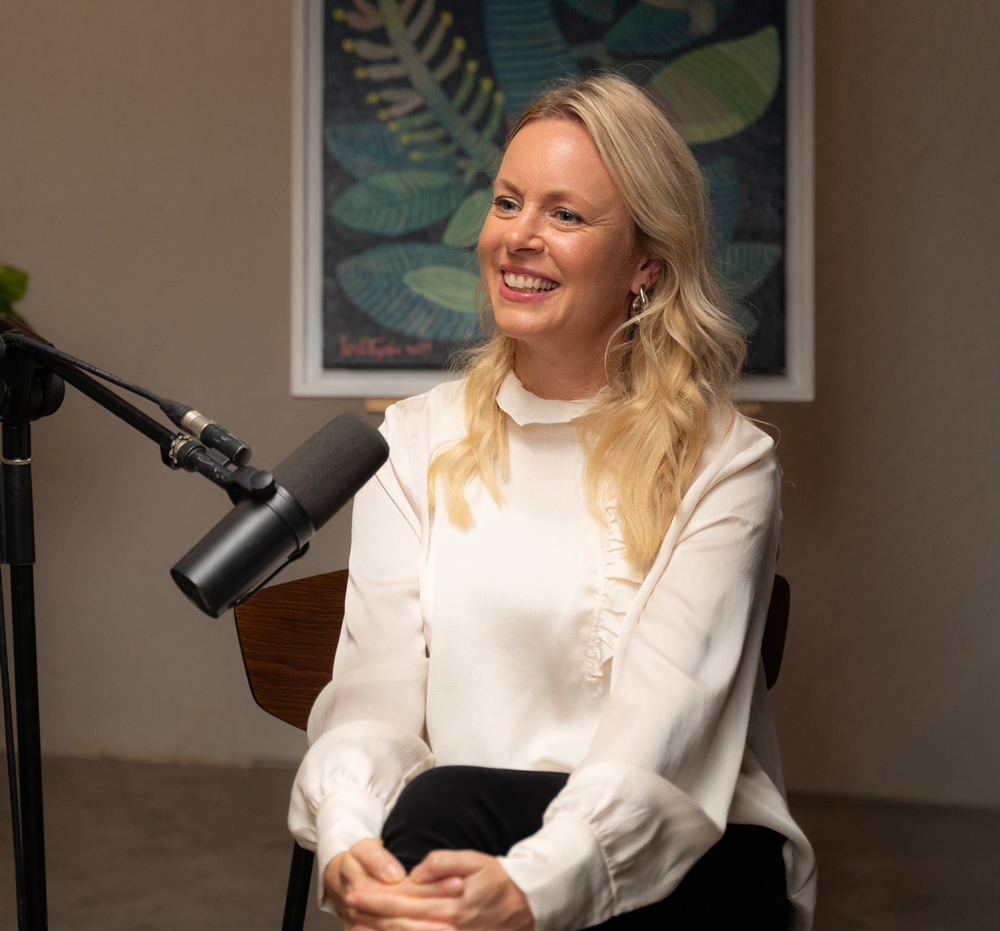 Maria Ahlström, Chief Sustainability Officer, Ecolean
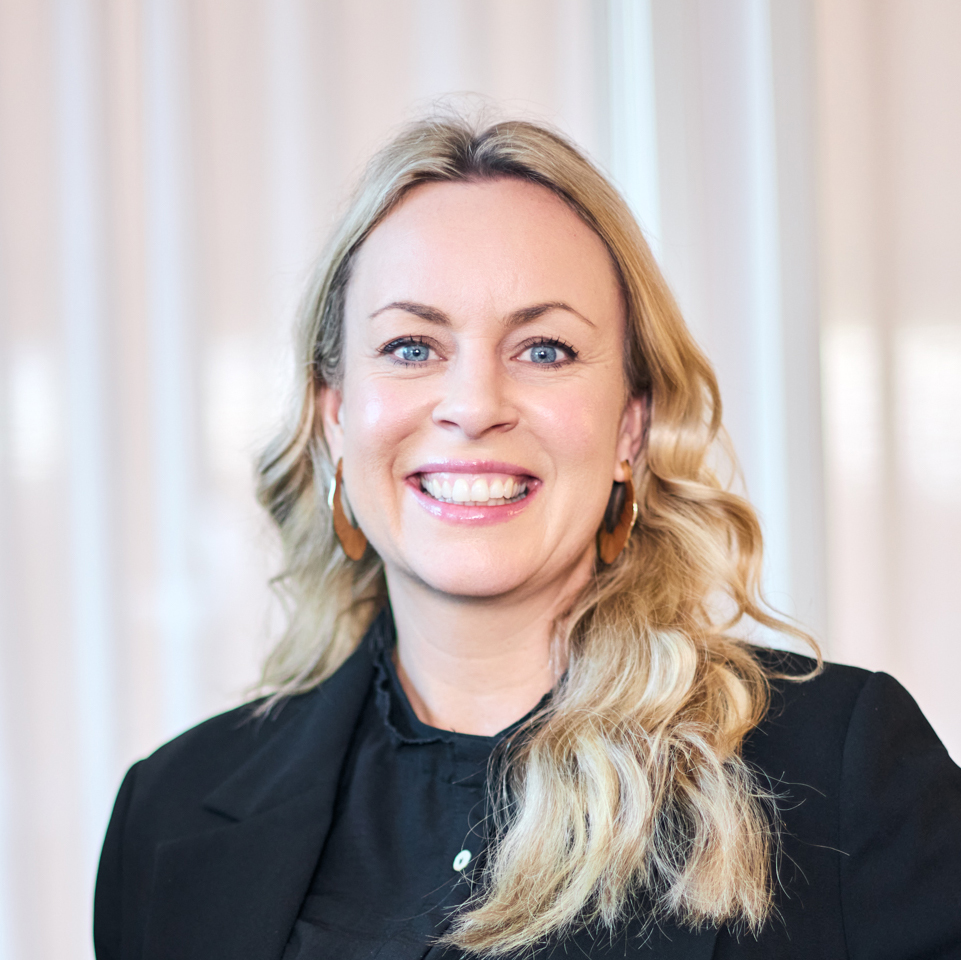
Energy efficiency is the sum of many smart choices – in design, production, logistics, and in how the package is actually used.
Q: Logistics is often a hidden energy cost. Where has Ecolean seen the greatest impact?
Maria: “We’ve made several small but effective changes: double-stacking packaging material when loading customer products into containers, green methanol shipping, an electric truck for specific transport routes, and in some cases, relocation of production to avoid unnecessary transport. That last action alone saves about 200 tons of CO₂ per year.
Pekka: These are typical examples where energy, cost, and climate go hand in hand.”
Q: Ecolean often talks about ‘lightweight’ and lifecycle. How does design affect energy consumption – from cradle to grave?
Maria: “Our lightweight philosophy means minimal raw material and low weight, which in turn results in low energy use in material production, conversion, transport, and waste handling. We work with third-party verified EPDs covering the entire lifecycle, guiding our improvements, both internally and in dialogue with customers. And something often overlooked is that you can flatten and empty the entire contents from our packages, reducing food waste, which has a huge energy benefit since food itself carries a large share of the global footprint.”
Q: How do you ensure credibility in the numbers – and what does the progress show?
Maria: “We work data-driven and have had SBTi-validated climate targets since 2020. In 2024, we decreased about 84% in Scope 1 and 2 compared to our base year 2018 and 43% in Scope 3. These reductions are largely driven by renewable electricity, efficiency measures, and smarter logistics.
We’re also very proud to have achieved EcoVadis Platinum again – for the fifth year in a row – placing us in the top 1% of over 130,000 reviewed companies, which helps us prioritize improvements.”
Q: What would you say are the biggest lessons Ecolean has learned on its journey toward a more sustainable business?
Maria: “Our key takeaway is combining lightweight, with everything that entails, together with renewable energy and data-driven management. It makes a difference here and now – and it’s scalable. If more industries pull in the same direction, the energy transition will be faster, fairer, and go further.”
Read more about our efforts and progress in our Sustainability Report.
Read more about World Energy Week.
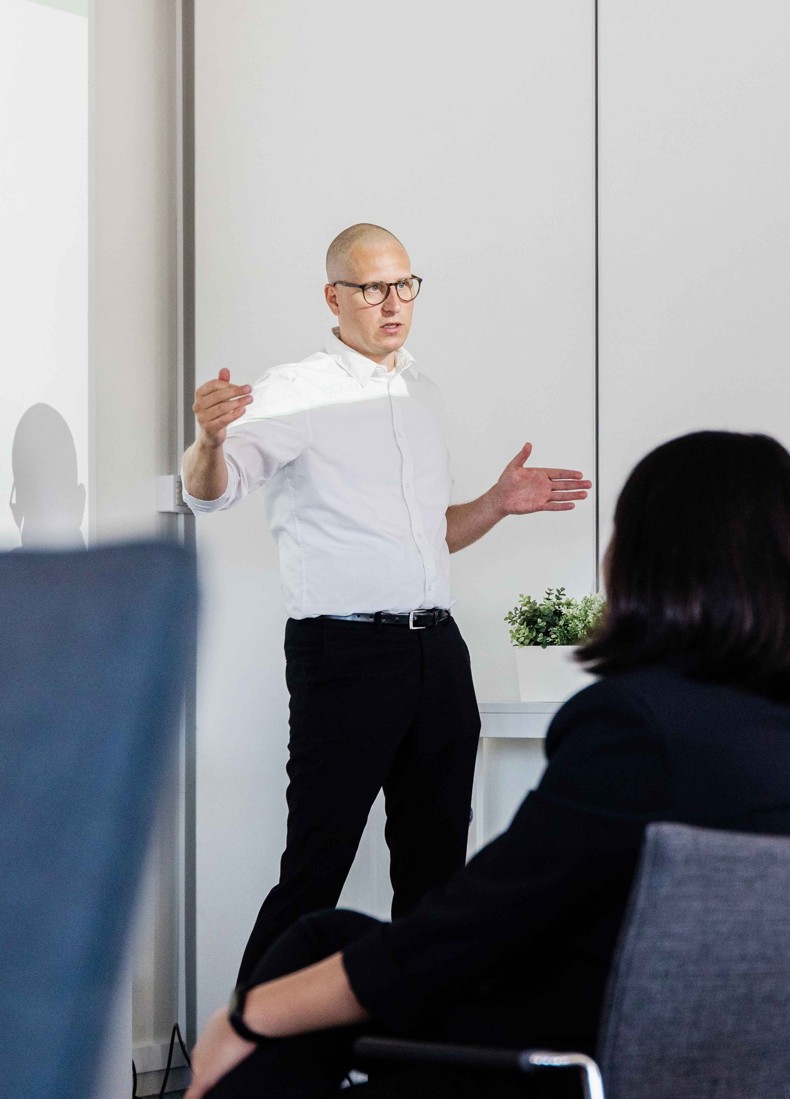 Pekka Turunen, Director of Film & Packaging Production, Ecolean


